
Slide pictures to see more
Grade 6 has been working on their Ancient Significant Individuals mini project. This is a project in which the Grade 6s have chosen one Ancient Significant Individual to research and then compile either an essay, a poster or a 4-5 minute video that will be displayed in a museum. The Grade 6s can only use one approved website and their textbook to research their individual. There have been some very interesting choices made by the Grade 6s showing some great critical thinking and most of them have displayed a great aptitude towards their research.
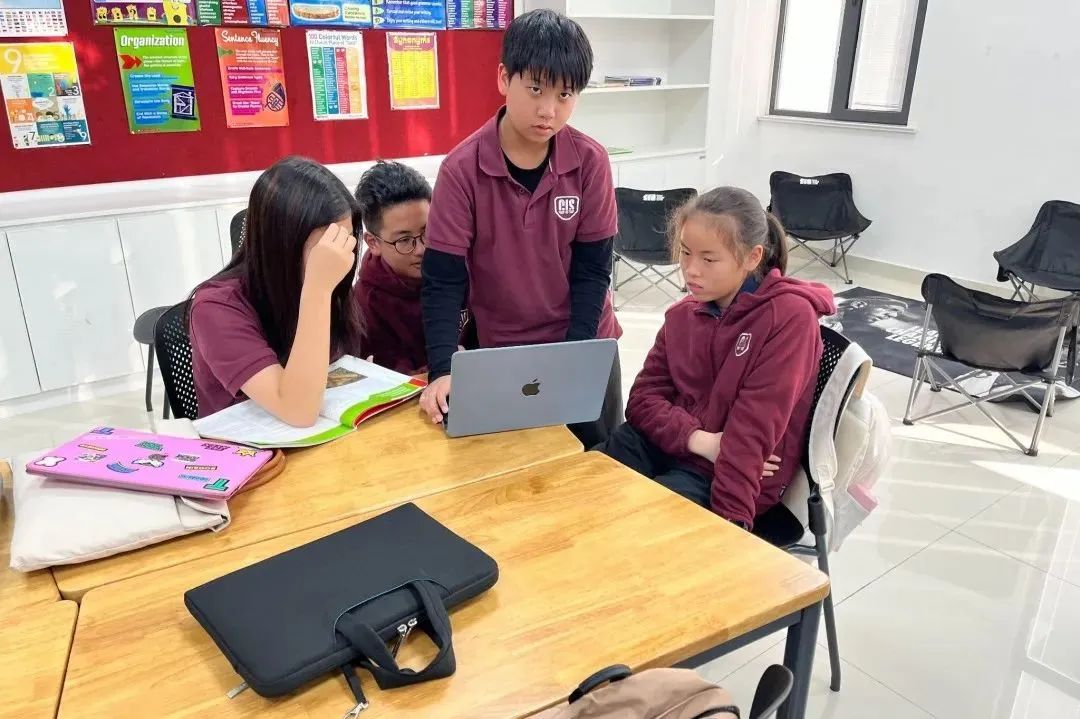
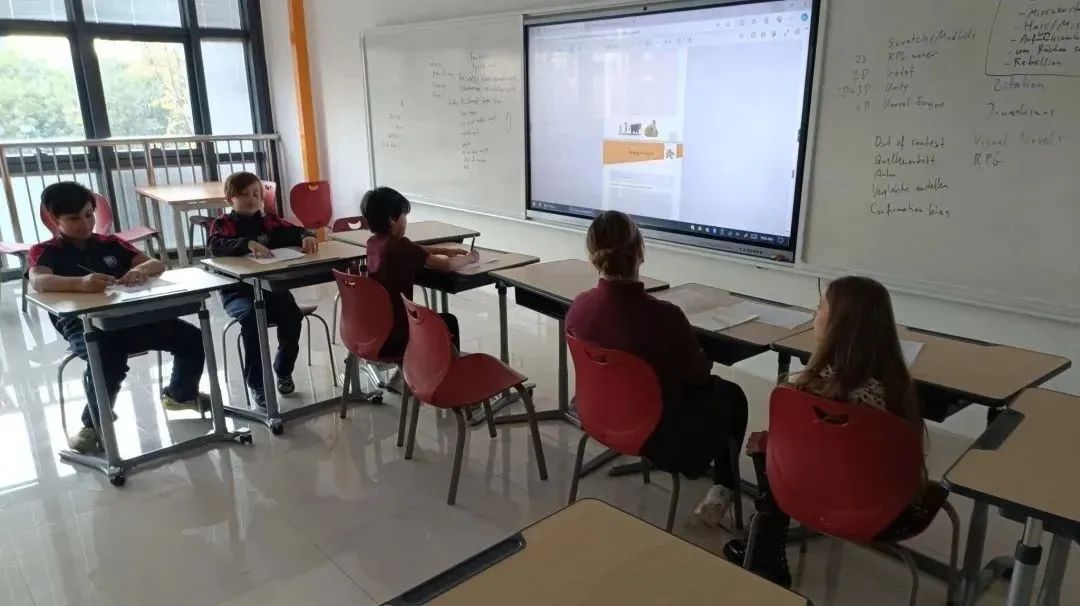
This week in grade 8 Individuals and Societies class students are finishing their unit on physical patterns in a changing world. The students presented their Natural Disaster Response Plans, practicing their public speaking. They then reflected on the process and results. The students used their social and communication skills.

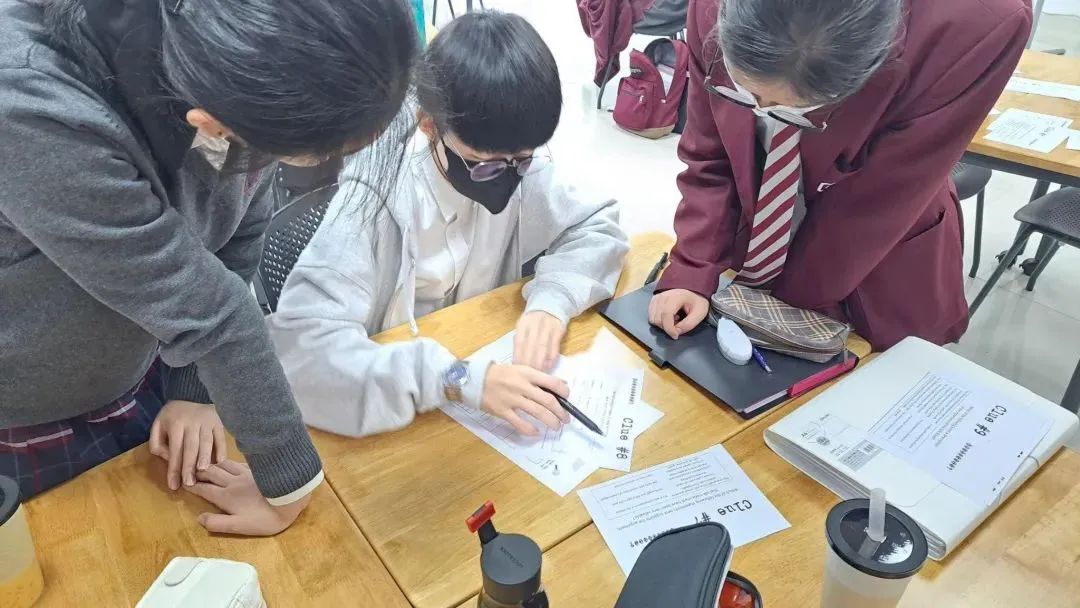
This week in grade 9 Individuals and Societies class the students are progressing through their ancient civilizations unit. The students are completing Ancient China by exploring the SIlk Road and the impact it had on the civilization. The students competed in a “Who dunnit Challenge” – a murder mystery on the silk road to test their prior knowledge and introduce them to concepts they will further explore. The students completed the week looking at the impact and details around the silk road, why it was used, how it came to be, and why it ended. They also completed their first research project essay. The students worked on social and research skills.
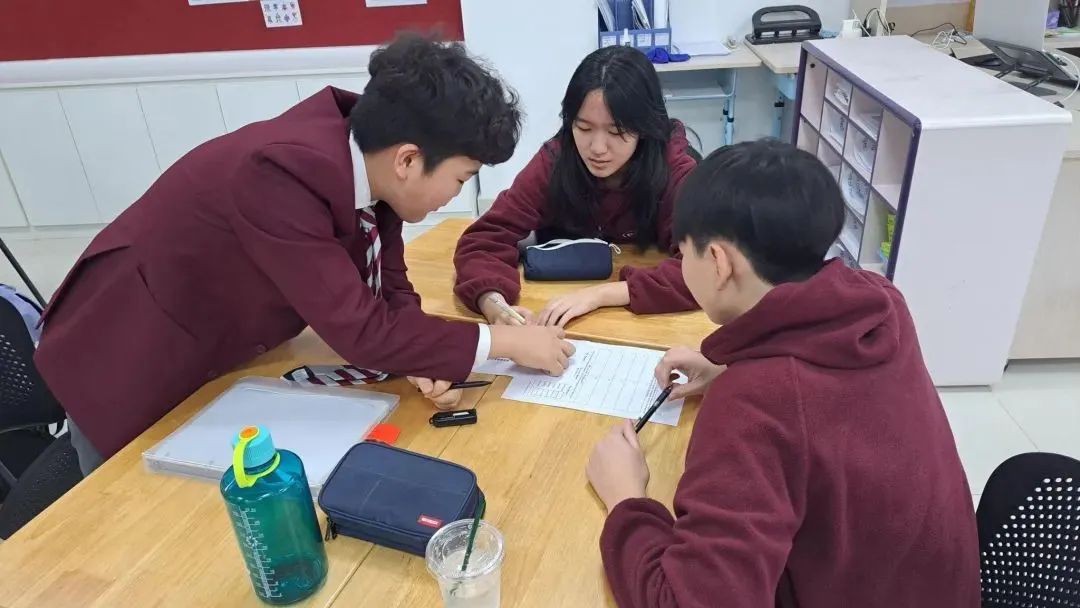
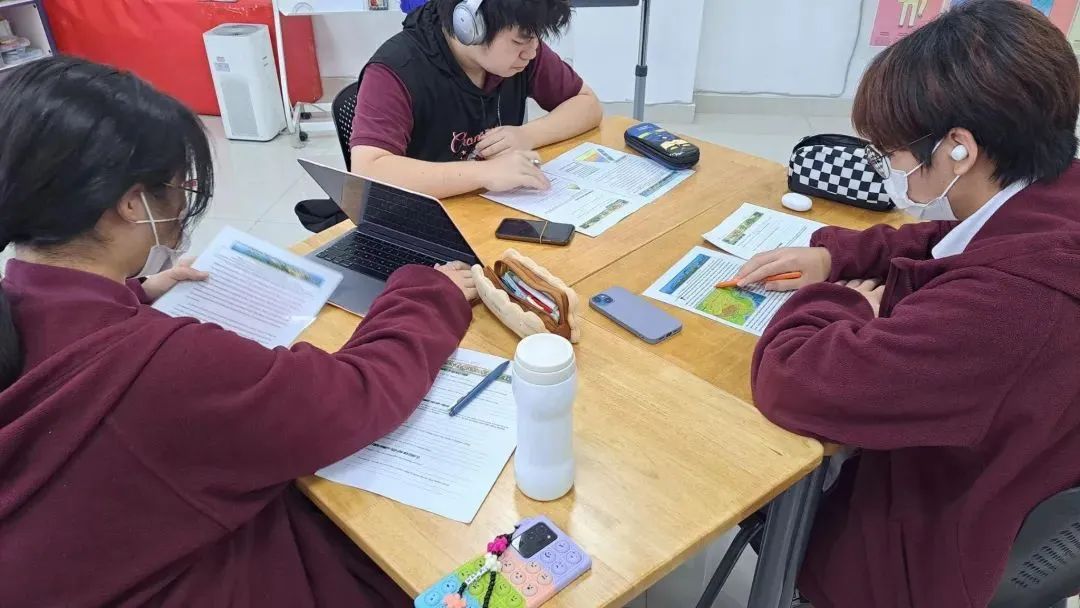
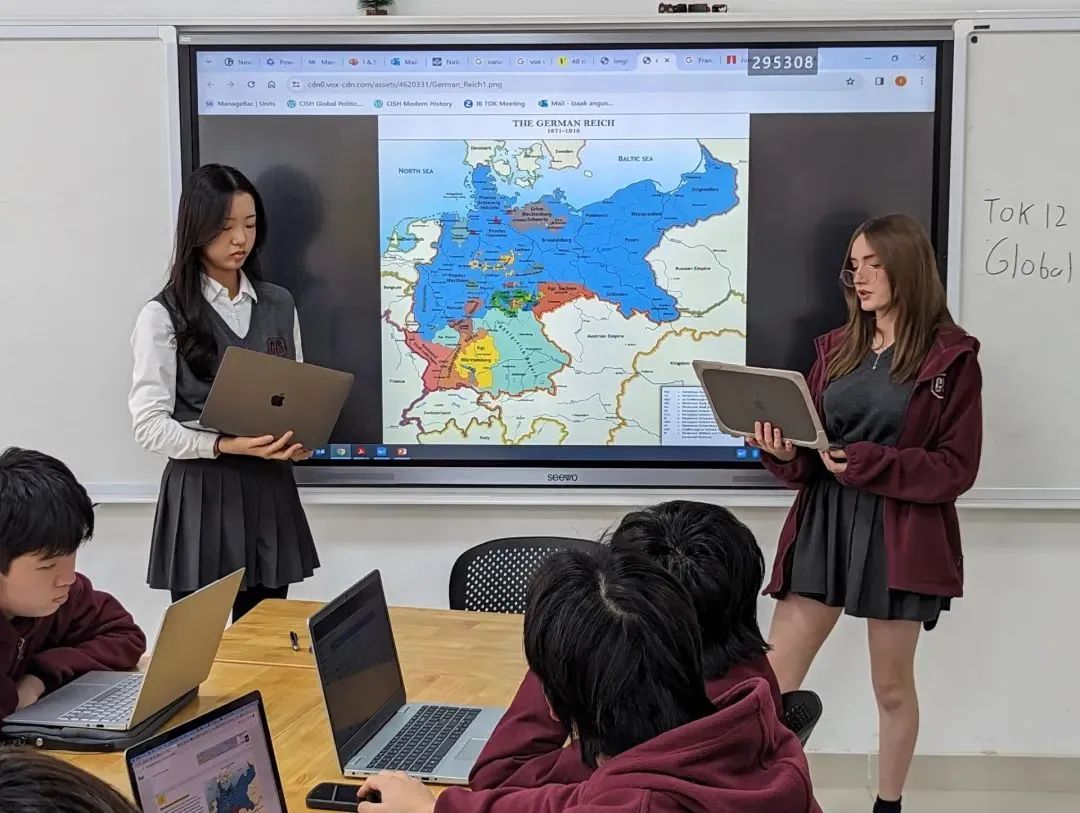
Grade 10:This week we finished introducing the major players in WW1 by discussing the Austro-Hungarian Empire. We also covered the concepts of Nationalism, Arms Races, and Colonialism and how they connected to WW1. Students engaged with the material and developed geographical thinking by selecting maps that explained different aspects of WW1 (like the formation of the German empire or the colonial Scramble for Africa) and then had to explain what was represented in these maps and why it mattered. Students also worked on designing posters and timelines that represent their knowledge of major powers in WW1.
Psychology
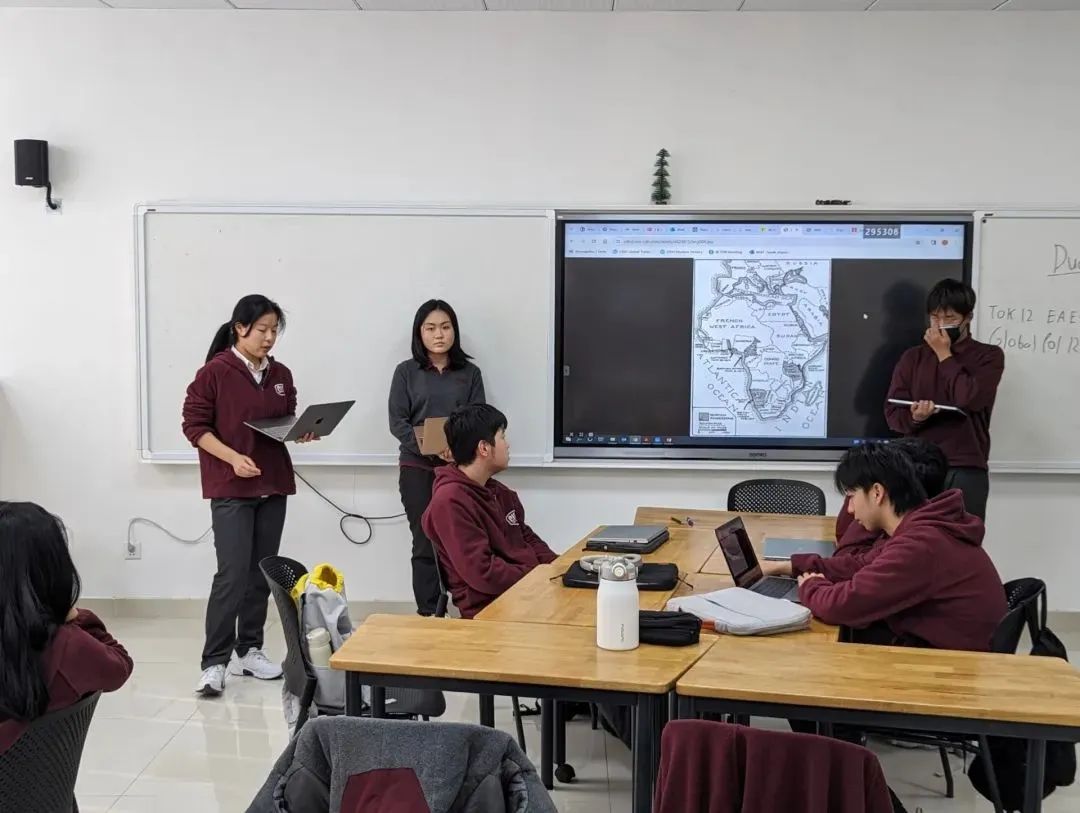
The grade 11 psychology students explored the topic of enculturation this week. Students how we learn the values and norms of our own culture and made connections to social cognitive theory. In particular, students focused on how boys and girls learn their culture’s gender norms through enculturation. The students also completed the final draft of their observational research study report. Finally, the class reviewed Hofstede’s cultural dimension of individualism vs. collectivism in relation to enculturation.
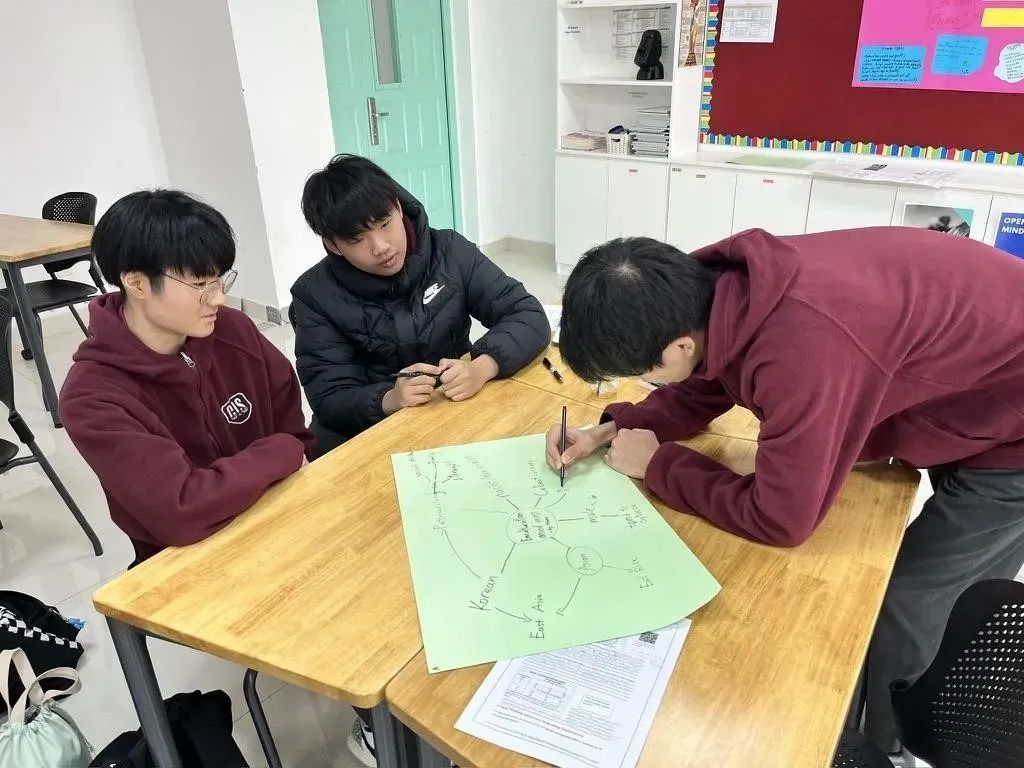
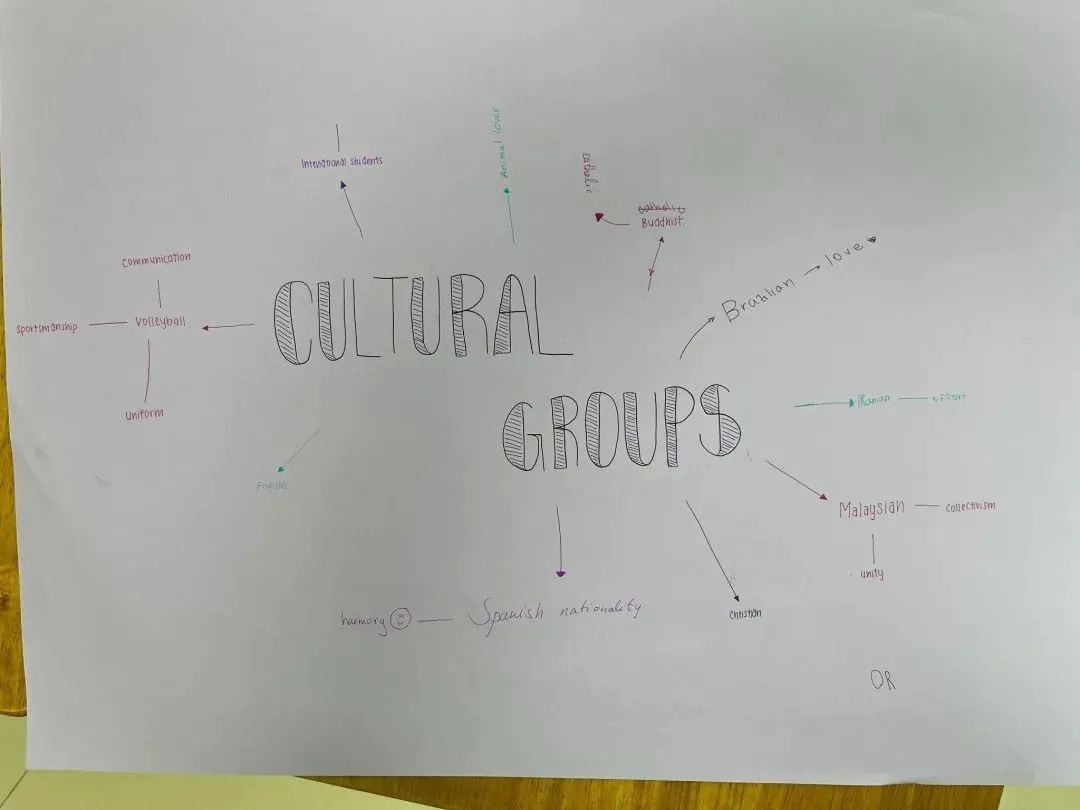
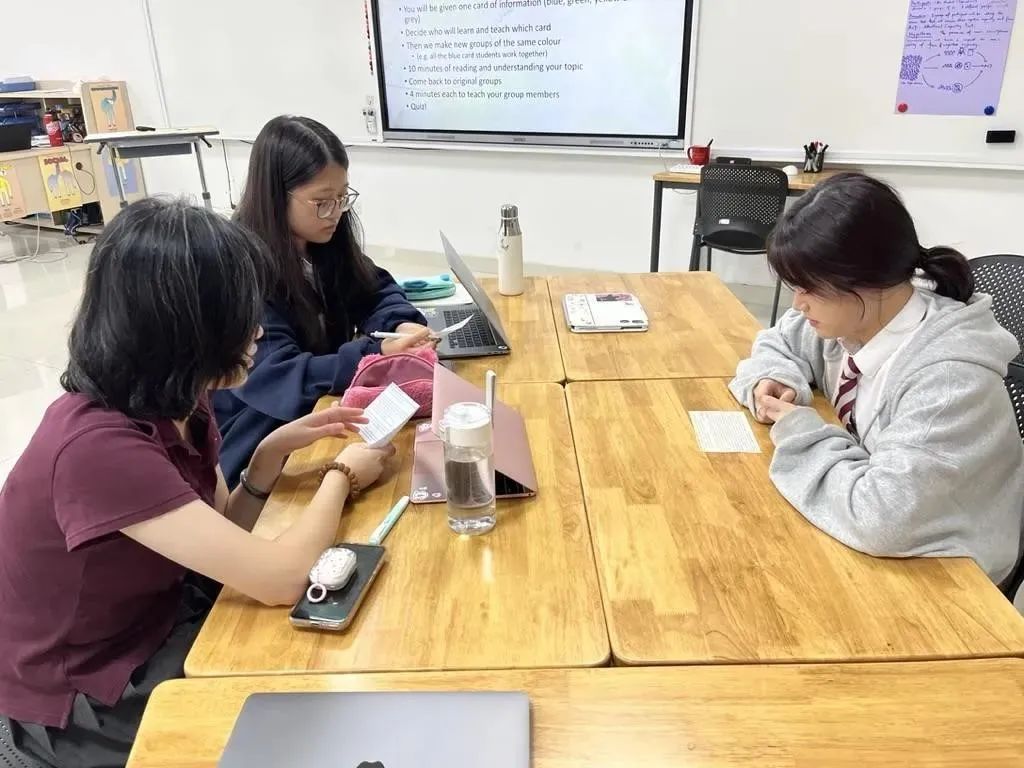
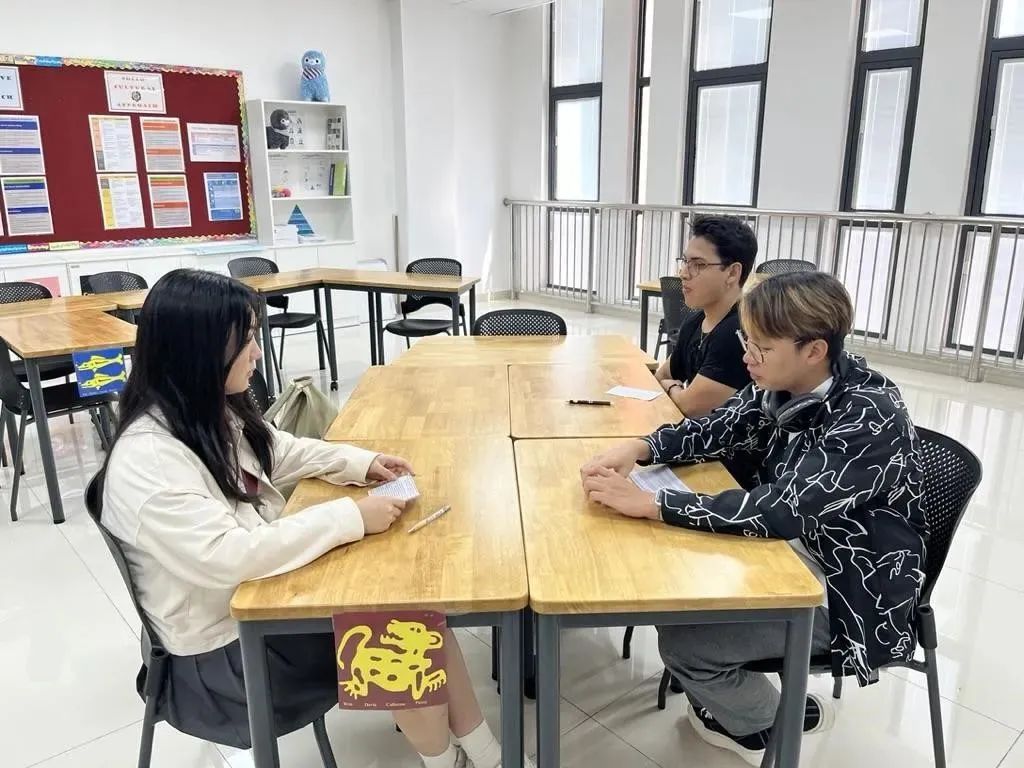
This week the grade 12 psychology students finish up their unit on Love and Marriage as part of the human relationships option topic. They discussed biological, evolutionary, and sociocultural factors that influence attraction and relationships. They outlined and reviewed multiple studies that support these ideas and that can be used as evidence on their assessments. The class also reviewed the structure and criteria of extended response questions (ERQs), which they will respond to on Paper 1 and Paper 2. After reviewing the criteria, they worked together to read and mark three ERQ samples on evolutionary explanations of behavior.
Global Politics
Grade 11:This week students applied their knowledge of unit 1 concepts in order to analyze the international relations philosophy of a particular world leader, for example Macron or Joe Biden, and then they presented their findings to the class. Students also reviewed some key concepts from unit 1, in preparation for the upcoming midterms. Finally, given the recent news of Henry Kissengers death, we watched a video exploring his legacy and controversial foreign policy decisions, and connected his positions to realist theory.
Grade 12:This week we wrapped up the development unit of this course by discussing economic and social sustainability, and the relationship to issues like the tragedy of the commons and drug and alcohol addictions and the impact on society. We discussed the example of the collapse of the atlantic cod fishery and its relation to economic sustainability. Students also continued working on the engagement IA.
Business Management
Grade 12 students have this week been presenting their individual presentations , each student explaining a different theory, all required in the syllabus.
This generated a lot of class discussion about how these theories really can be applied in business and their relationship to leadership and corporate culture.
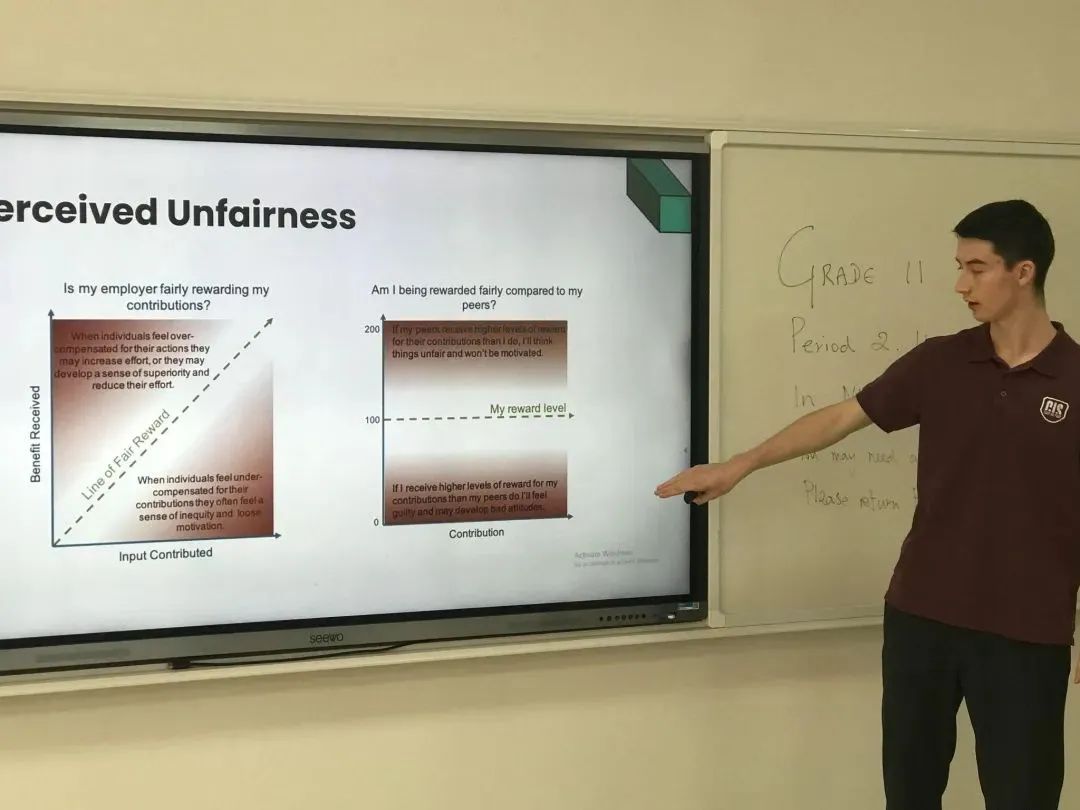
Grade 11 Business students have now almost completed the second part of the large Finance Unit on how companies, both for profit and not for profit, raise finance for growth. Students study more than 20 methods from debentures to sale and leaseback as well as more common forms such as angel and venture capital investment.

Design Highlights
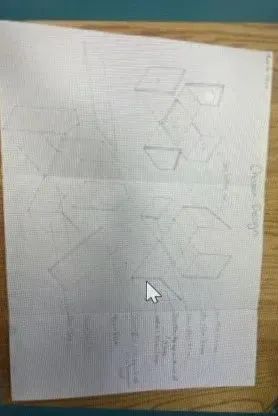
This week in our G6 MYP Design class, students made significant progress as they successfully completed criteria B of their Unit 1 summative assessment. They demonstrated a solid grasp of the theoretical aspects of the Design Cycle. Moving forward, they are now gearing up for the practical phase – criteria C. This is the exciting part where students will be actively engaged in creating their informative videos explaining the Design Cycle. Throughout this process, the students are not only putting theoretical knowledge into practice but are also honing their communication and media literacy skills. The emphasis on effective communication demands clarity, organization, and creativity. Additionally, the students are developing their critical thinking skills by making thoughtful decisions about how to visually represent the Design Cycle in an engaging and comprehensible manner.
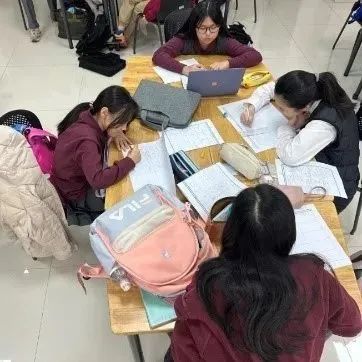
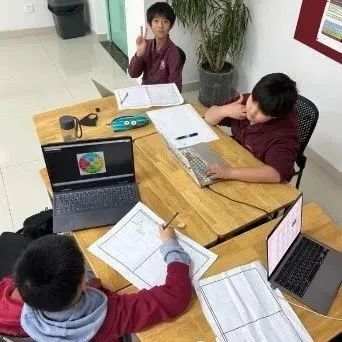
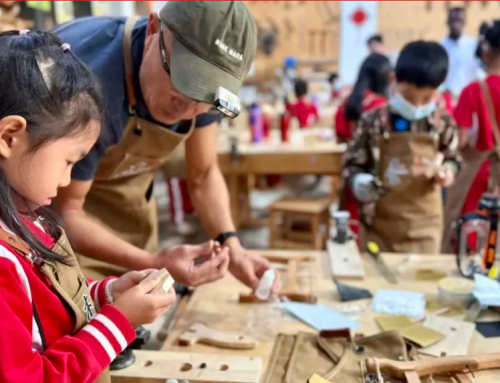
Throughout the week, the seventh-grade students dedicated themselves to constructing functional boats, showcasing not only a commendable commitment to the project but also the development of essential skills. The development of time management this week ensured each stage of boatbuilding was executed with precision, fostering a foundation for future product creation. Communication flourished as students exchanged ideas and responsibilities in the design lab, creating a collaborative atmosphere that extends beyond the current project. The development of practical skills throughout the week, including the safe use of various tools, not only enhances technical proficiency but also instills a sense of responsibility. As they continue refining their boats, it’s evident that this hands-on experience has been a catalyst for holistic development, equipping them with skills vital for future design projects and real-world challenges.

As the students in eighth grade finish up their MYP IDU (Interdisciplinary Unit) project, which combined science and design, they have reached an important moment to show off what they’ve achieved. They were given the task of presenting their thoughts on the IB MYP Design Criterion D, where they talked about the details of their journey in making rubber-band cars. Their presentations were amazing and showed that they really understood the design process. They especially talked about how important it is to evaluate their own work and how that helps them improve and make meaningful changes. The students did a great job explaining their experiences, which not only shows that they know how to design things, but also how much they value getting better and learning.
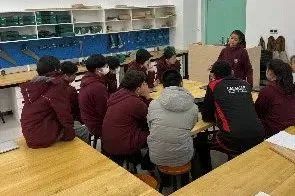
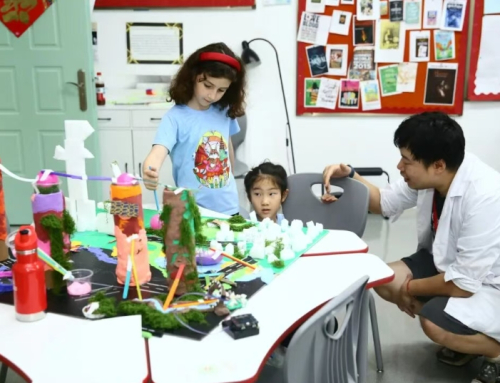
In this week’s ninth-grade students have been fully immersed in the creation of animal habitats. Demonstrating a commendable commitment to the project, they have diligently applied themselves to the task, not only showcasing their dedication but also honing essential skills integral to the design process. Proficiency in time management has been a key focus, ensuring precision at each stage of the animal habitat creation and laying a solid foundation for future organizational endeavors. The atmosphere has been characterized by vibrant communication, with students actively engaging in the exchange of ideas and responsibilities, fostering collaboration that extends beyond the confines of the current project. As they navigate the intricacies of designing animal habitats, students are acquiring practical skills, emphasizing the safe and effective use of various tools, enhancing both their technical skills and a sense of responsibility. Great to see the students’ enthusiasm blossom this week in class.
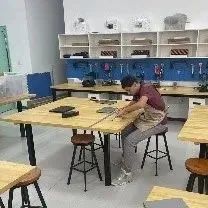
Design Class
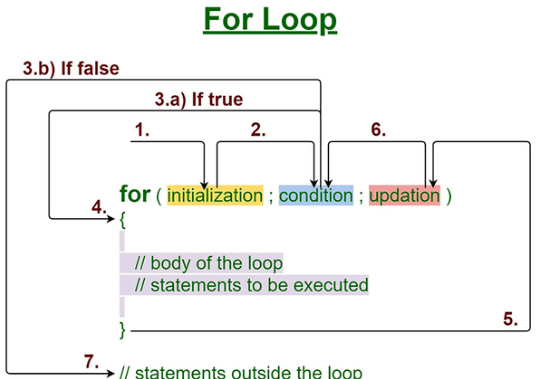
This week in grade 10 Design, we continued working with coding structures. A loop is an essential part of programming and is one of the most necessary coding constructs.Loops allow you to repeat a process over and over without having to write the same (potentially long) instructions each time you want your program to perform a task. This week we began working with the ‘for’ loop and coded simple solutions using it.
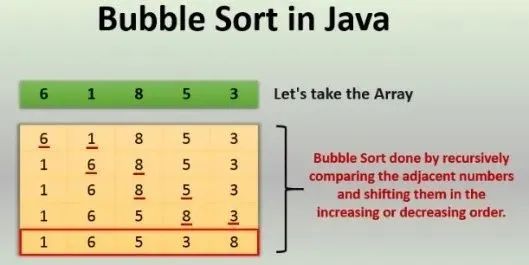
Sorting is another significant part of coding. This week in grade 11, students were introduced to the bubble sort. This is the simplest sorting algorithm. It works by repeatedly swapping the adjacent elements if they are in the wrong order. The bubble sort is not suitable for large data sets but it is a very good way to learn how to sort in a programming class.
Final touches were being applied to grade 12 students’ Internal Assessment. While the solution was being prepared for submission, students were adjusting the documentation that must accompany the programmed solution. The IB has a very specific format for students to submit all their work as a package that moderators use to view the entire submission. Furthermore, the submitted work must fall under maximum permissible file sizes and types.
PYP German Highlights
K1(Yani Wang)
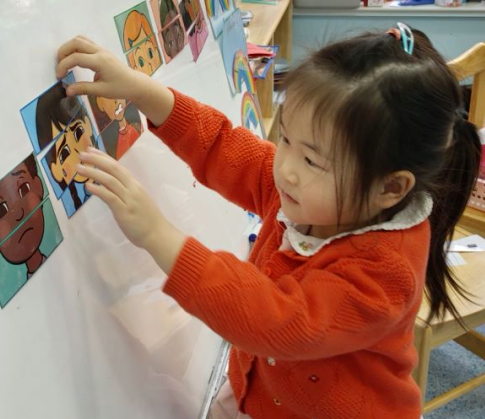
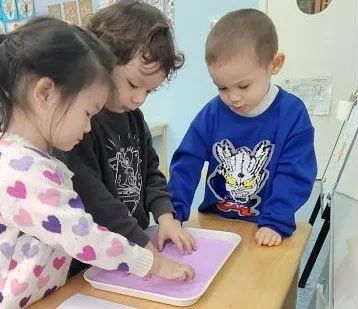
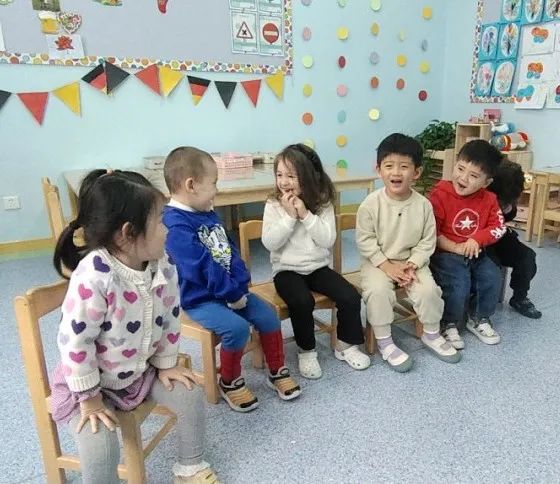
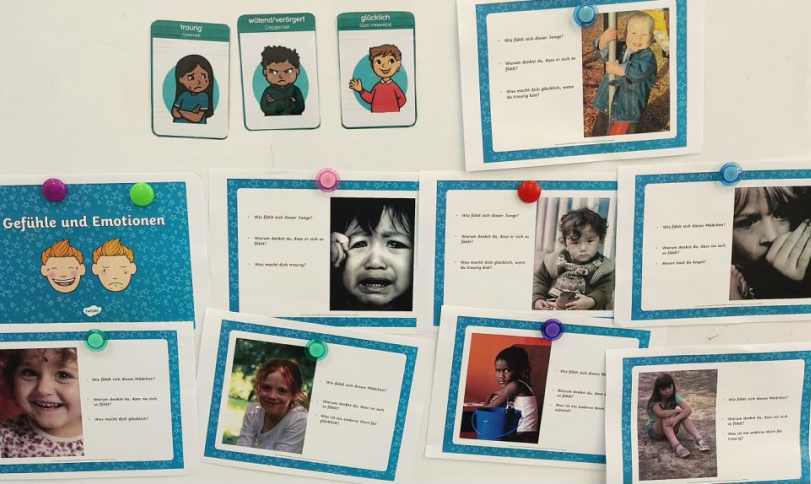
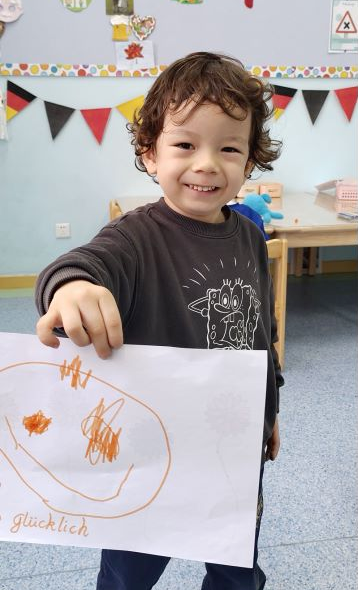
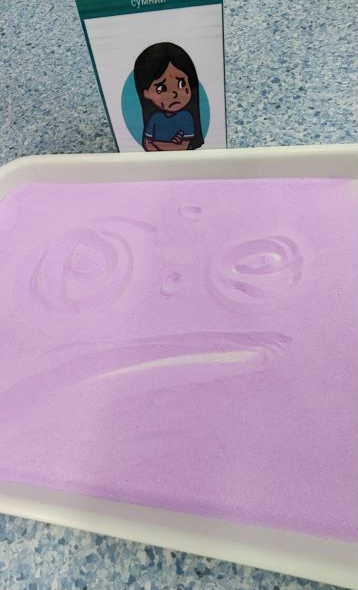
Our topic in K1 German class this week is about feelings. This includes feelings of happiness, anger, rage and fear. Students looked at photos of different expressions, analysed the characteristics of the expressions of the people in the photos, and then learned the German words for those expressions. We also analysed the reasons for this feeling. For example, we get angry when someone hits us or when we don’t get what we want. Class activities included students using plates with sand to draw specific expressions, expression puzzles, and expression guessing games. This week we read the story “Balloon Bear”.
K2(Yani Wang)
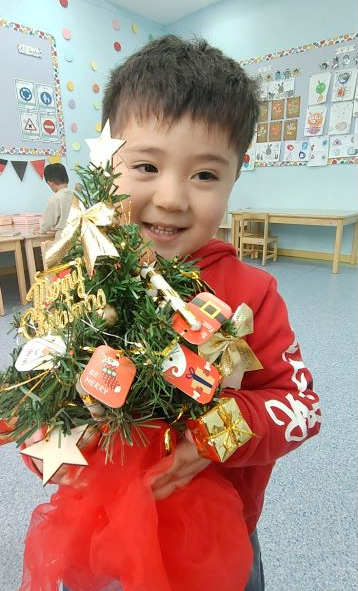
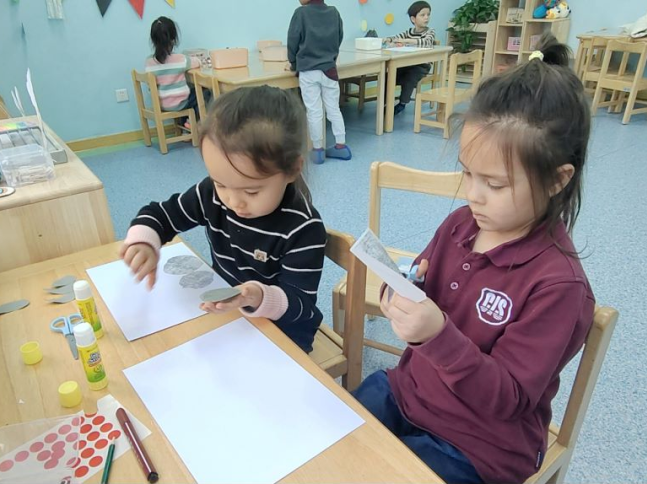
In K2’s German class this week, we first read the famous German picture book story “Frederick the Field Mouse”. From the story, we understand that Frederick is a field mouse who knows how to affirm himself, be the best version of himself, and share his gains with his friends. We reviewed the color-related words we had learned in the storybook, read a simple poem about the seasons, and drew a picture of Frederick using different materials including colored paper, stickers, and colored pens.
In addition, we also learned the new numbers 6, 7 and 8. The students played many games with the numbers they had already learned, such as finding the missing numbers, sorting the numbers correctly, and saying the numbers forward and backward. etc.
K3(Yani Wang)
In K3’s German class this week we continue to study traffic signs, focusing on learning how to read traffic lights and how to cross the road through zebra crossings. Students learned the German saying “Doppelter Blick, Doppelte Sicherheit” by practicing zebra crossing on campus.
We also learned about the seven colors of the rainbow and the order in which they are arranged. After that, we did handicrafts and used printing and dyeing to create rainbow colors on napkins.
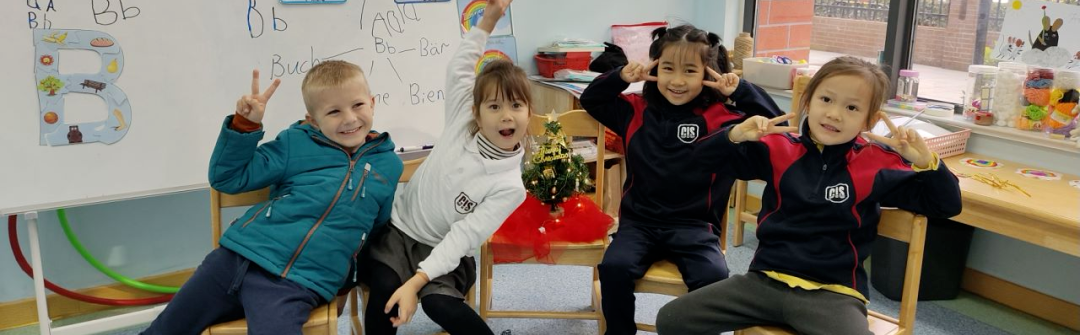
Starting from this week, we have also introduced German letters. The letters covered this week are A and B.
PYP German
(Sascha Wandkowsky & Robert Jordan)
G1: This week in our grade 1 German class, we delved into exploring words with different endings such as -e, -en, and -el. We practiced identifying and using these endings in various words, helping the students enhance their vocabulary. The children enthusiastically participated in reading texts about family, themselves (likes and abilities), and activities at home.
After each reading session, we engaged in related writing and drawing exercises to reinforce their understanding and encourage creative expression. It was delightful to see the students actively contribute to discussions about their families and personal preferences, fostering a positive and interactive learning environment.
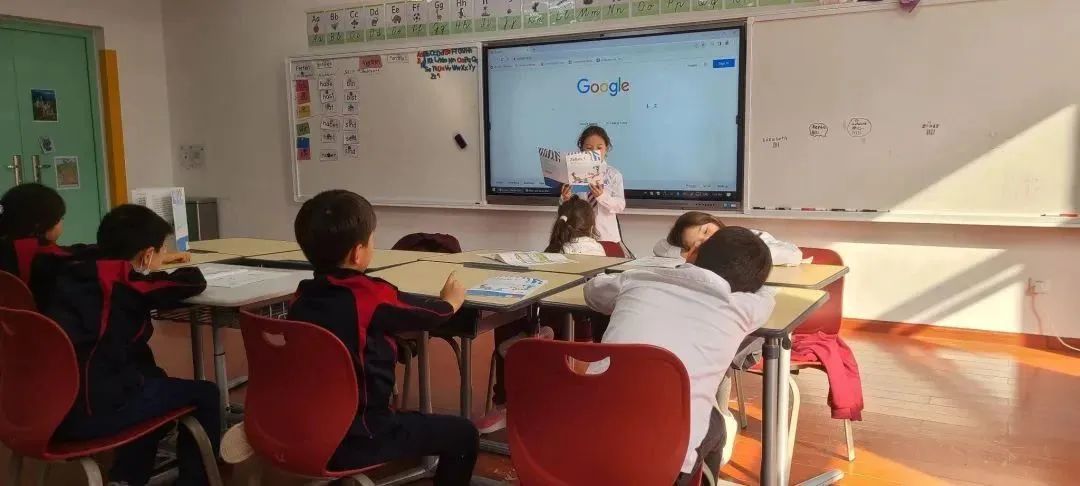
G2: This week in our grade 2 German class, we focused on the distinction between long and short vowels (a, e, i, o, u), providing the students with exercises to practise recognizing and using them. Additionally, we delved into cursive writing, specifically the formation of ‘z’ and ‘tz.’ The students demonstrated great enthusiasm and skill in mastering these new writing techniques.
In our reading sessions, we explored texts that revolved around feelings, covering topics like happiness and sadness. To reinforce comprehension and creativity, most of our reading activities were accompanied by writing exercises. The students showcased their ability to express emotions through both reading and writing, creating a vibrant and engaging learning atmosphere.
G3: In our grade 3 German class this week, we delved into the nuanced world of articles, distinguishing between definite (der, die, das) and indefinite articles (ein, eine). The students demonstrated commendable progress in comprehending the usage of articles with various nouns. Additionally, we explored the concept of “Oberbegriffe” (general terms/categories), discussing how certain words encompass broader categories.
In our reading sessions, we explored texts centered around feelings, providing a platform for thoughtful discussions. The students participated actively and, to reinforce their understanding, completed writing exercises related to expressing emotions.
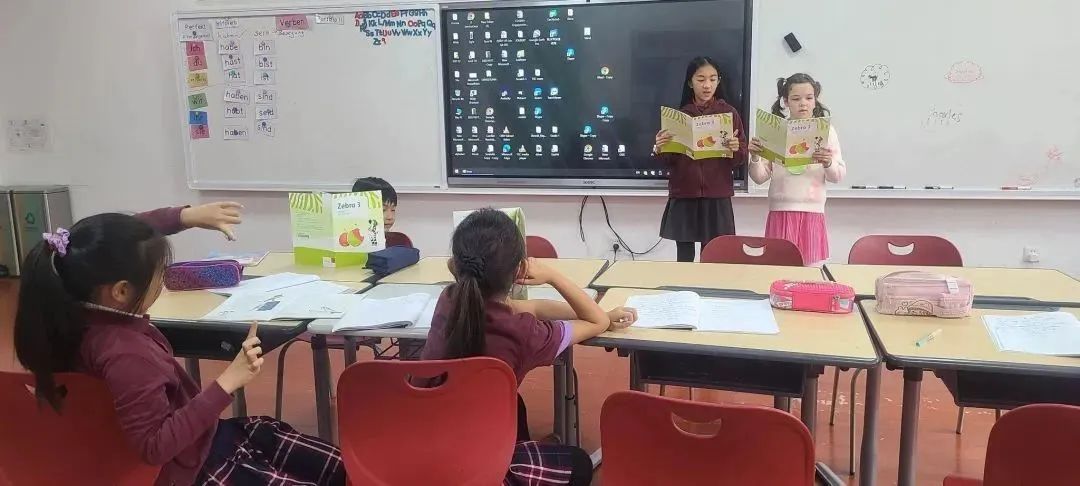
G4: In our grade 4 German class this week, we dedicated two days to reviewing the chapter, culminating in a comprehension test covering word structures on the word and sentence level as well as word types, tenses, and sentence elements. The students displayed commendable effort and understanding during this review, showcasing their proficiency in grasping the intricacies of German grammar.
Additionally, we delved into meaningful reading sessions, exploring texts that addressed important topics like bullying and bad moods. The students actively participated in discussions, and to reinforce their understanding, they engaged in writing exercises related to the emotional aspects discussed in the texts.
G5: The PYP students finished their posters on nutrition and learned more about their body, including vocabulary regarding their muscles and bones. They wrote texts about movement in the past versus today in a health context. They also wrote another text on which the introduction was given and they creatively finished the story.